Iran in 2026: The Unbroken Will for Democracy
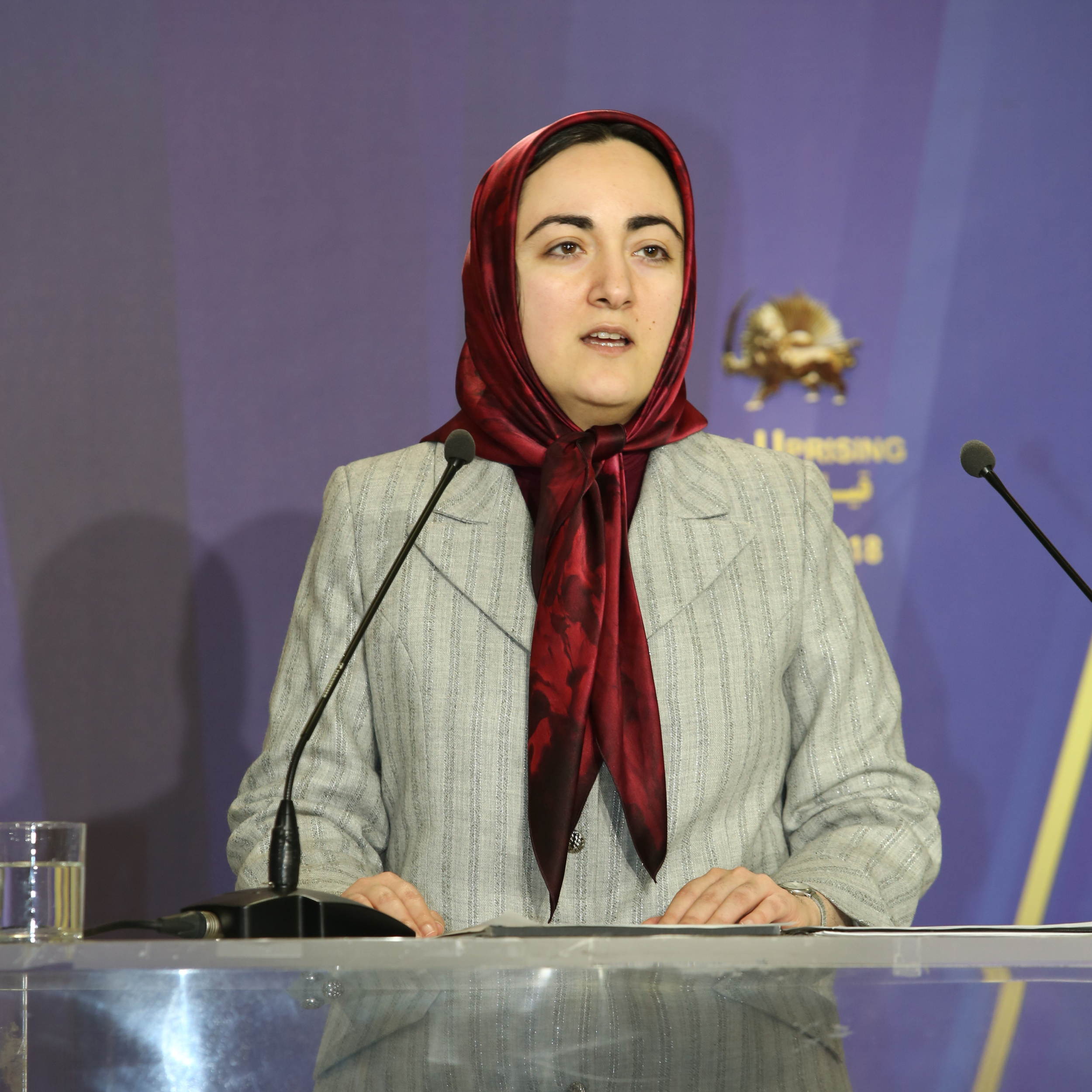
Zolal Habibi s a human rights and women's right activist and member of the NCRI Foreign Affairs Committee
Iran is at a pivotal moment in its history. What began as protests over economic hardship has evolved into one of the most significant democratic movements in decades. Across cities like Tehran, Isfahan, and Shiraz, Iranians are taking to the streets demanding freedom, equality, and an end to authoritarian rule. The courage and determination of these protestors echo the themes discussed by Zolal Habibi in Let’s Talk Democracy Season 2, Episode 3.
A Movement Beyond Economics
The latest wave of protests, beginning in late 2025, initially responded to soaring prices, currency devaluation, and basic economic frustrations. But very quickly, the movement expanded. Today, people are not only demanding economic justice—they are calling for real political change, accountability, and human rights.
Zolal Habibi emphasized in her episode that democracy is more than elections or institutions—it is a lived experience rooted in dignity, equality, and justice. The current protests demonstrate this principle in action: ordinary Iranians fighting for their voices to be heard and for a government that serves its people rather than suppresses them.
The Role of Women and Youth
Women and young people are at the forefront of this movement. Their leadership recalls the “Woman, Life, Freedom” protests sparked in 2022, which highlighted the centrality of women’s rights to any meaningful democratic change. Habibi pointed out that the fight for women’s rights is inseparable from the fight for democracy—and the courage of Iranian women today proves that this principle continues to resonate in practice.
These protestors are challenging laws and restrictions that have long limited freedom and bodily autonomy, showing that the push for democracy must include justice for all, especially those historically marginalized.
Facing Repression, Holding Hope
The Iranian government has responded with harsh crackdowns. Security forces have used lethal force, and mass arrests have been reported, making this one of the deadliest periods of civil unrest in recent memory. Yet despite these dangers, protestors persist.
Habibi’s words from the episode ring true today: democracy is not easy. It is a struggle that demands resilience, courage, and an unyielding belief that change is possible. The resolve of Iranian citizens shows that hope cannot be crushed by intimidation or violence.
A Global Moment
Iran’s struggle has captured international attention. Human rights organizations, NGOs, and global leaders are monitoring events closely, calling for accountability and protection for citizens exercising their rights to protest. Yet as Habibi emphasized, the true engine of democratic change lies within the people of Iran. External support is important, but genuine reform must come from Iranians themselves.
Why This Matters
The events in Iran today are not just about politics—they are about human dignity, equality, and justice. They are a vivid reminder that democracy is a living process, cultivated through courage, solidarity, and persistence.
Zolal Habibi’s conversation in Let’s Talk Democracy highlights a truth that is being lived on the streets of Iran: the seeds of democracy may be planted long ago, but they only grow through the steadfast will of those who refuse to give up hope.
Final Thought
As the world watches Iran in 2026, it is clear that democracy is not merely a system of government—it is the unbreakable spirit of a people who demand freedom, equality, and justice. Today’s protestors are carrying forward decades of struggle, proving that even under extreme pressure, the quest for democratic change cannot be silenced.
Listen our conversation on the Let´s Talk Democracy Podcast here.