The Right to Demand a Democracy That Works for Everyone
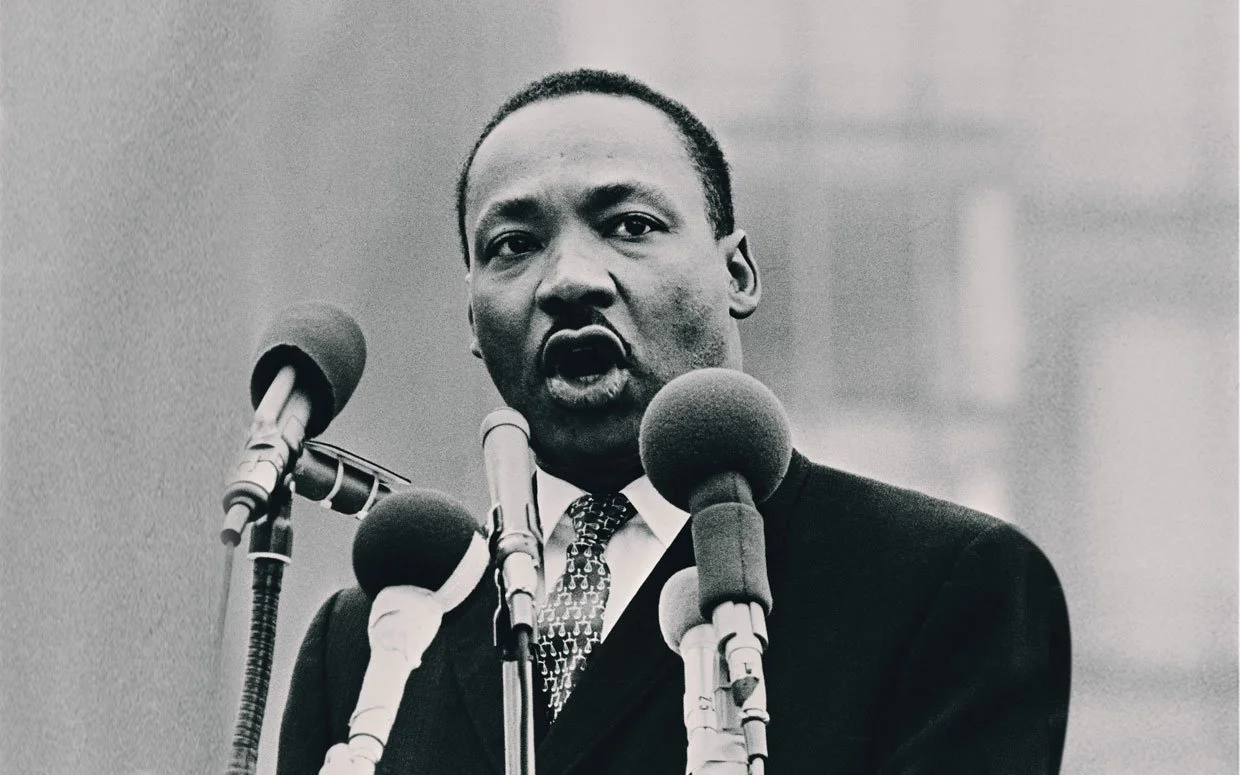
Dr. Martin Luther King Jr., Hallmark University
In the words of Dr. Martin Luther King Jr., “Our lives begin to end the day we become silent about things that matter.” Over half a century after his powerful words echoed across the United States, this message remains strikingly relevant: the right to demand that democracy serves the people is not just a privilege—it is a responsibility.
Democracy is often celebrated as a system where power rests with the people. Yet, as Dr. King reminded us, it is not enough to simply have the right to vote or speak out; democracy must actively work for the well-being of all citizens. He once said, “The arc of the moral universe is long, but it bends toward justice.” This bending, however, is not automatic—it requires constant vigilance, advocacy, and courage from ordinary people.
Today, as we face persistent inequalities, systemic injustices, and challenges to fair representation, Dr. King’s message feels urgent. Citizens around the world must continue to demand that democratic systems live up to their promises, ensuring that policies reflect the needs of the many rather than the few. His insistence that “injustice anywhere is a threat to justice everywhere” reminds us that a democracy that fails some fails all.
Moreover, Dr. King’s belief in the power of collective action underscores why civic engagement matters more than ever. Peaceful protest, voting, and community organizing are not merely acts of participation—they are vital tools to hold leaders accountable and shape a democracy that truly serves its people. He famously said, “The time is always right to do what is right,” a call to action that transcends decades and borders.
As we reflect on Dr. King’s legacy, we are reminded that democracy is not a static achievement—it is a living, evolving promise. Demanding that it works for everyone is not radical; it is essential. By speaking up, mobilizing, and challenging systems of inequality, we honor his vision of a world where justice, equity, and human dignity are not optional, but foundational.
In the end, the right to demand a democracy that works for us all is not just a civil right—it is a moral imperative. And as Dr. King’s words continue to inspire generations, they remind us that silence in the face of injustice is the greatest threat to the ideals we hold dear.