Democracy literally means “rule by the people,” deriving from the Greek words demos (people) and kratos (rule). It is a system of government where supreme power belongs to the citizens, who exercise it either directly or through elected representatives. Simply put, without the people, democracy does not and cannot exist. It functions entirely based on how the people want it to. As we explore in our foundational framework, Let’s Talk Democracy, civic systems only thrive when power flows from the ground up.
However, a dangerous paradox has taken root in modern society. The growing willingness to place absolute faith and unchecked power into the hands of politicians means that citizens are actively relinquishing their own authority. In essence, this passive handoff is diminishing and destroying our democracies from the inside out.
Democracy is an active, participatory form of government. It requires constant engagement, rigorous maintenance, and continuous evolution to meet the shifting needs of the population. Yet, for some absurd reason, many have accepted the backward notion that they exist to be directed and guided by the very individuals they elect into office.
Suddenly, the servant has become the master.
Let’s be honest: being an elected representative means that you are a servant to the public, not their ruler. Today, it is clear that these roles have been completely reversed. This power dynamic must change if democracy is going to flourish and continue to be a true “rule by the population.”
Political figures are meant to be reflections of the collective will—representatives of how the people choose to be governed, not dictators who decide how we must live or whether or not we deserve a basic social safety net.
You, the people, hold the ultimate power to dictate those terms.
In an era marked by the unsettling rise of global fascism, remembering this baseline truth is more critical than ever. Fascism demands passive obedience, blind compliance, and the erosion of individual agency.
Democracy, by stark contrast, depends entirely on the active participation of the society that births it.
This means that citizens possess the ultimate agency to push, pull, and stretch the fabric that democracy is made of. It is not a static monument to be admired from afar; it is a living, breathing practice. In essence, democracy is the ongoing aspiration of a society to create an equitable and just framework by which citizens can fulfill their collective potential and protect their shared freedoms.
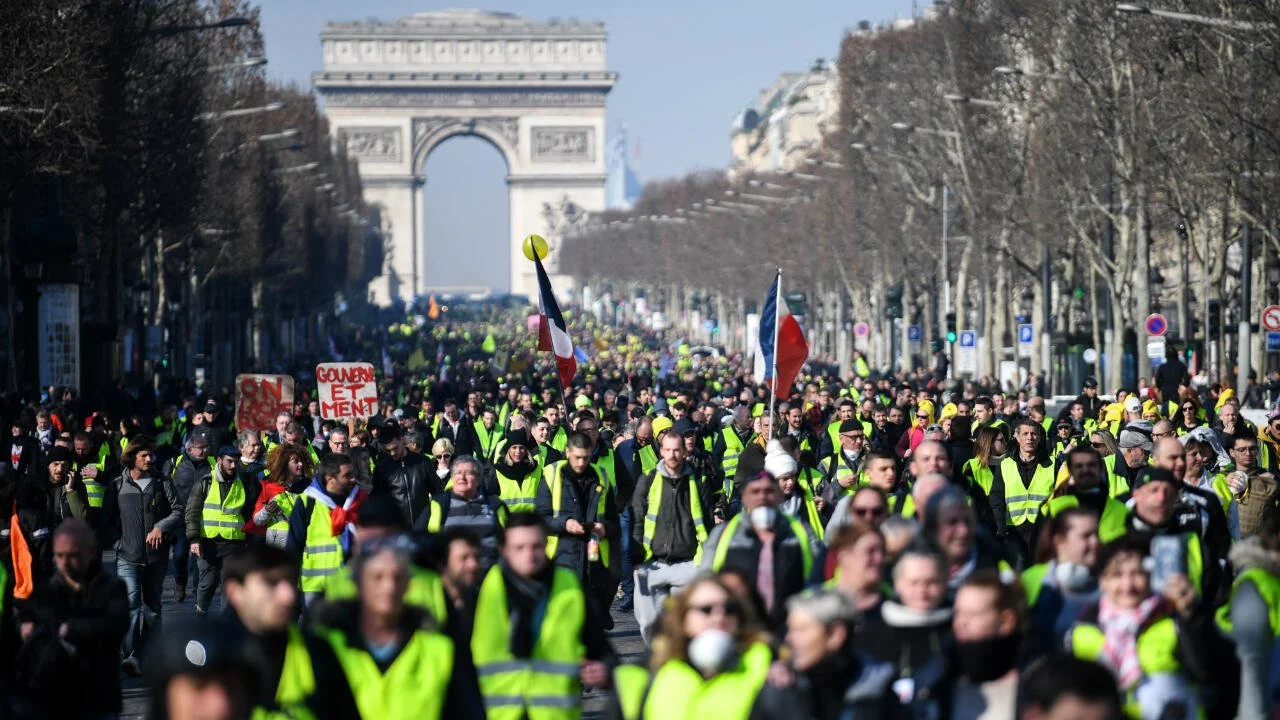
The surge in political movements and global unrest across democratic nations proves that this realization is taking hold. These movements represent the "democracy muscle" being trained, flexed, and used to tip the scales, ultimately restoring power back into the hands of We the People.
Look at the massive waves of public mobilization sweeping across established and developing democracies:
The Yellow Vest Movement in France: What began as a spontaneous outcry over fuel taxes transformed into a broad, multi-year working-class mobilization against economic inequality and top-down executive rule. Re-ignited alongside youth-led coalitions, it stands as a reminder that governments cannot unilaterally dictate economic burdens without facing public intervention.
The Student List in Serbia: Following a tragic train station canopy collapse born from state corruption, a massive, youth-led anti-corruption movement swept through hundreds of towns. Organizing horizontally through direct-democracy assemblies, they didn't just protest—they transitioned into an electoral force known as the Student List, engineering a historic landslide victory that successfully unseated a fourteen-year authoritarian regime.
The "No Kings" Protests in the United States: Mobilizing up to nine million citizens in a single day across thousands of cities, the No Kings Movement represents the largest single-day protest actions in American history. Spurred by fears of democratic backsliding and executive overreach, millions of everyday citizens took to the streets to send an unyielding message to Washington: America belongs to its citizens, not absolute rulers.
The Spanish Housing Mobilizations: Regular citizens and tenants' associations are actively fighting unjust evictions and demanding affordable rent caps, forcing immediate local policy changes.
Portuguese Coalitions: Hundreds of thousands of students and trade unions are filling the streets of Lisbon, pushing back against soaring costs of living, wage stagnation, and severe housing crises.
The Bulgarian Anti-Corruption Movements: Massive student assemblies and civic coalitions successfully brought down corrupt state budgets and forced government accountability through unyielding demonstrations.
These are not isolated events; they are the systemic response of citizens who realize that conventional channels of representation are failing them. They prove that when leaders stop listening, the people have the power to change the channel.
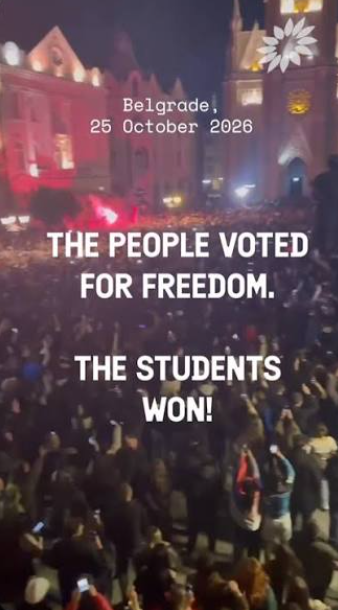
As these seismic shifts happen, there is a collective social inhale and exhale—a momentary release of the pressure valve. Yet, when the dust settles, a dangerous political vacuum often emerges. Waiting in the wings to capitalize on this raw momentum are standard political parties. They eagerly step in to realign the political narrative, attempting to capture, tame, and domesticate the collective social force for change.
Unfortunately, this vacuum is precisely where opportunistic establishment parties on both sides of the aisle find the space to weaponize social anxieties, create deep divisions, and protect the status quo. This is why it is so critical that grassroots movements do not hand over their victories to the nearest political entity. Movements must continue moving forward independently, focusing their energy entirely on reforming the very structures that made the mobilization necessary in the first place.
Political parties are not the answer; structural reform is.
Building this muscle cannot be left only to those on the streets, nor can it be outsourced to party insiders. If we want a framework that serves us, we must actively co-create it. Democracy is not a spectator sport.
To help you get started on your own campus or in your neighborhood, download our comprehensive Democracy Toolkit for direct tactics on decentralized organizing.
Flex Your Democracy Muscle:
Audit Your Representatives: Stop treating politicians like celebrities. Hold them accountable by regularly reviewing their voting records on the critical issues that affect your daily life, such as housing, labor, and public safety.
Organize Locally: Move your political energy past national election cycles. Join a local tenants' union, participate in community assemblies, or back grassroots organizations working directly in your neighborhood.
Reject Passive Compliance: Push back against policies that restrict your right to organize, gather, and speak. When the social safety net is threatened, use your voice, your vote, and your presence to remind those in office exactly who they answer to.
The fabric of our democracy will only stretch as far as we are willing to pull it. It is time to stop acting like subjects and start acting like citizens. Take back your power.